
WAFCON 2026: A New Era in Women’s Football
WAFCON 2026 showcases a competitive spirit transforming African women’s football.
Key Takeaways
- Emerging nations are challenging traditional football powers.
- The competition reflects real growth and opportunities in women's football.
- Young female players are inspired to rewrite their football narratives.
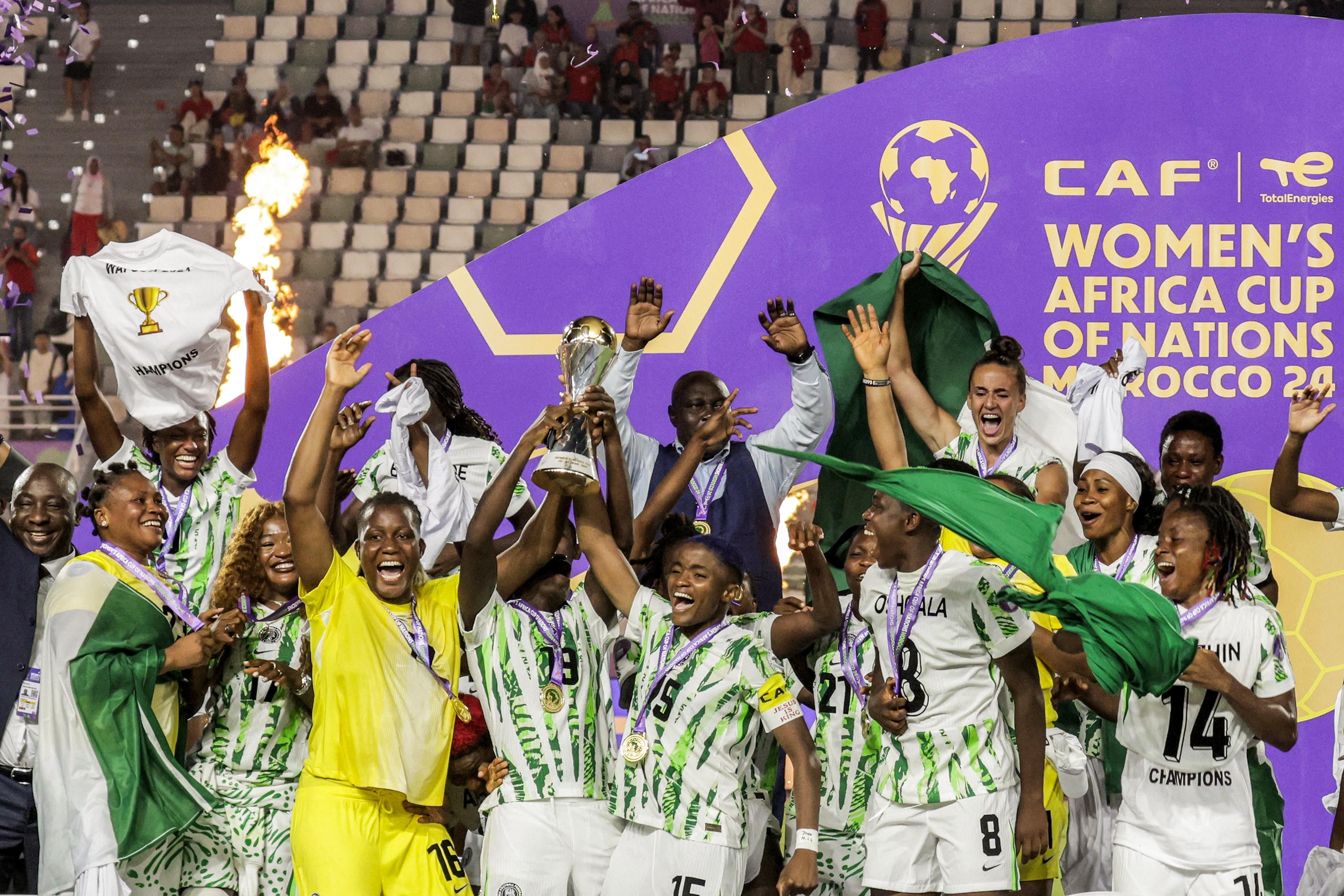
The Women’s Africa Cup of Nations (WAFCON) 2026 marks a significant shift in the landscape of African women’s football. This tournament stands out not just for its packed stadiums or thrilling goals, but for the emergence of a genuinely competitive spirit among its participants. For the first time, the reputation of historically dominant nations is no longer sufficient for guaranteed progression, indicating a dramatic change in the competition's dynamics.
Previously, discussions about African women’s football predominantly centered around a handful of established nations—Nigeria, South Africa, Morocco, Cameroon, and Ghana. While these teams were expected to effortlessly stride towards victory, WAFCON 2026 has dispelled those notions. Instead, we are witnessing a challenging tournament where established teams are finding it increasingly difficult to secure points, as newly ambitious nations are set on making their presence felt. This shift is not indicative of a decline among the giants but rather a rise in standards across the board.
The ongoing WAFCON is a testament to the narrowing gap in women's football on the continent. Although the disparity in resources and opportunities remains, there's visible growth in talent, professionalism, and recognition within the sport. Players who were once confined to limited opportunities are now excelling in European leagues, while coaches are gaining exposure that equips them to enhance local football. African federations that historically underfunded women’s football are beginning to realize its immense potential, showcasing the tangible progress being made.
This tournament goes beyond statistics and results; it serves as a powerful reminder to young female footballers in under-resourced environments. The vision of girls playing football in remote villages—such as those in Ga-Mphahlele, Ntoaboma, Amagunze, or Tiznit—creates a narrative of resilience and hope. They see women who mirror their experiences and understand their struggles, prompting them to believe that they too can rewrite their stories. The unpredictability of matches in this tournament fosters an environment where young aspiring athletes can envision possibilities beyond their current circumstances.
WAFCON 2026 highlights that African women’s football is rich in resilience and ambition. It establishes that talent is not exclusive to the continent's biggest nations but thrives in every corner where dedication remains steadfast, regardless of the obstacles faced. Though the conversations surrounding funding, facilities, and visibility persist, they must be accompanied by the recognition of how far the game has progressed—and how much potential lies in the talent bred in its grassroots.
Frequently Asked Questions
What is WAFCON?
WAFCON stands for the Women's Africa Cup of Nations, a premier competition for women's national teams in Africa.
How has WAFCON 2026 changed perceptions of women's football in Africa?
It has showcased the rising competitiveness of emerging teams, challenging the dominance of traditional powerhouses.
- WAFCON2026
- WomensFootball
- AfricanFootball

Charlotte Smith
Women's Football Editor
Charlotte is a pioneer in WSL and international women's football coverage, analyzing squad growth, recruitment models, and tactical setups.
Comments (0)
No comments yet. Be the first to comment!