
Laura McAllister Advocates for Increased Female Presence in Football
Laura McAllister emphasizes the need for increased women's involvement in football, highlighting the sport's potential for growth and inclusivity.
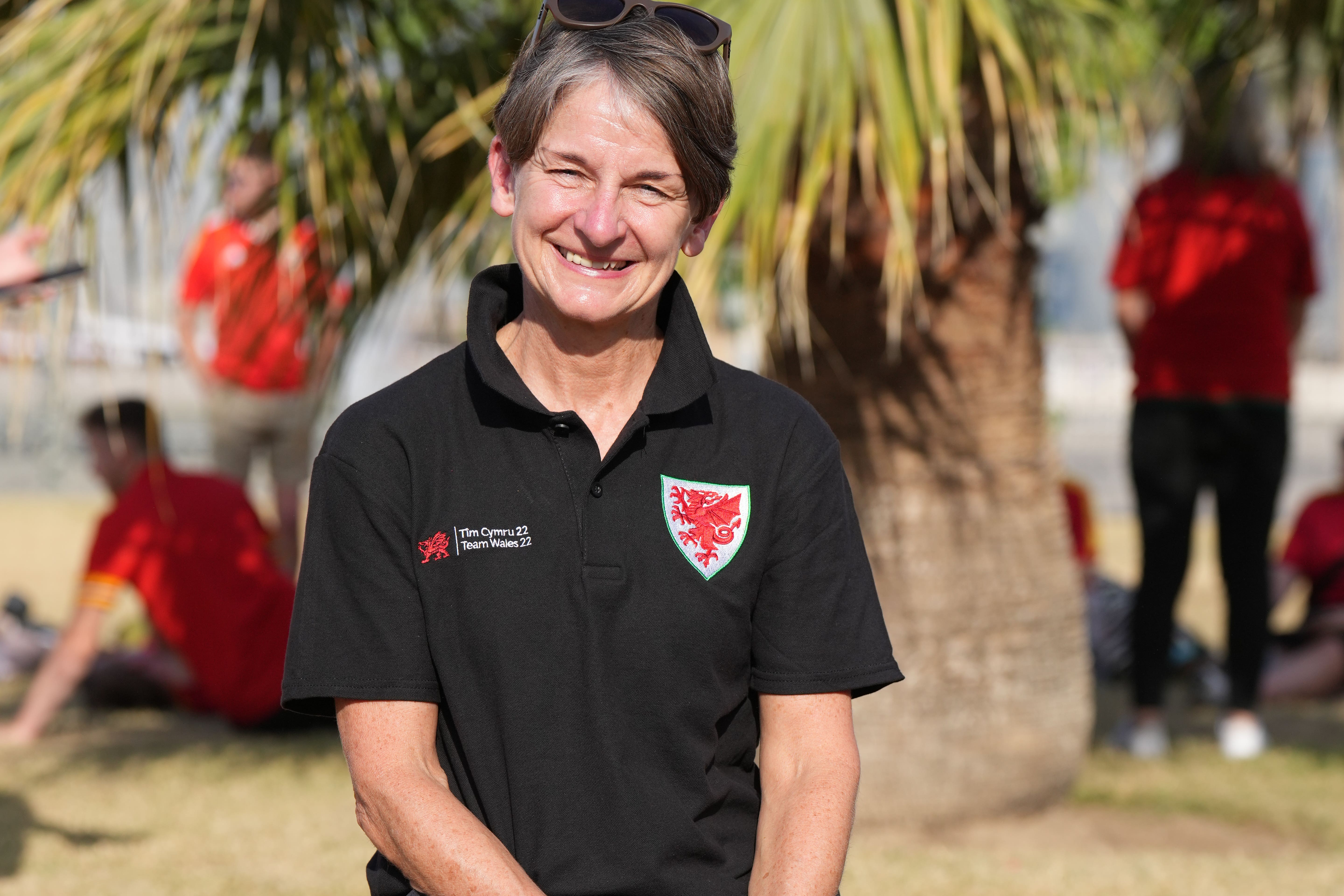
Key Takeaways
- Increased female participation can enhance football's growth.
- Women should be integrated into leadership roles within the sport.
- Inclusivity in football can lead to better business and brand engagement.
In a recent interview with UEFA.com, Laura McAllister, former Welsh international player and a prominent advocate for gender equality in sports, emphasized the essential role women can play in strengthening the football community. With the beautiful game often perceived as male-dominated, McAllister pointed out that welcoming and integrating more women into various facets of football—from playing and coaching to managerial positions—could fundamentally enhance the sport's growth and competitiveness.
McAllister's arguments are underscored by the recent trends in women's football, which have seen remarkable growth in popularity and participation. With increased visibility and investment in women's leagues and tournaments, McAllister believes that this burgeoning landscape presents an opportunity for clubs and organizations to embrace diversity actively. "Football is a global sport, and it thrives on diverse contributions from all segments of society. More involvement from women in leadership roles can introduce new perspectives and strategies that benefit everyone," she stated.
Emphasizing collaboration and mentorship, McAllister urged established football institutions to recognize the wealth of talent and expertise women possess. Historically, the pathways for women into senior roles and coaching positions have been obstructed, but programs aimed at dismantling these barriers are essential. "It’s not just about more players; it's about creating an ecosystem where women can thrive just as their male counterparts do. We need to foster an environment where coaching courses are accessible, mentorship programs flourish, and women are encouraged at all levels," McAllister advised.
Furthermore, she addressed the business implications of increasing female participation in football, noting that companies associated with the sport can greatly benefit from inclusivity. With women's football drawing significant viewership and engagement, brands and sponsors are beginning to recognize that investing in women's events delivers solid returns. By breaking down gender barriers, football can not only become more competitive but also more lucrative, appealing to wider demographics. McAllister concluded, "Changing the narrative around women in football isn’t just the right thing to do; it’s smart business too."
In advocating for a more inclusive football environment, Laura McAllister's voice adds to the growing chorus calling for change within the sport. By enhancing the role of women in football, we can expect not only an enriched game but also a brighter future where equality in sports becomes the norm rather than the exception.
Frequently Asked Questions
Why is female involvement in football important?
It strengthens the sport and introduces diverse perspectives that enhance competition and growth.
What barriers do women face in football?
Women often encounter obstacles in access to coaching, mentorship, and leadership roles historically dominated by men.
- Women's Football
- Gender Equality
- UEFA
- Football Development

Elena Rossi
European Football Correspondent
Based in Milan, Elena reports on Serie A and Champions League tacticians, youth developments, and Italian tactical boardrooms.
Comments (0)
No comments yet. Be the first to comment!